How You Can Get Fit without Punishing Your Joints 71
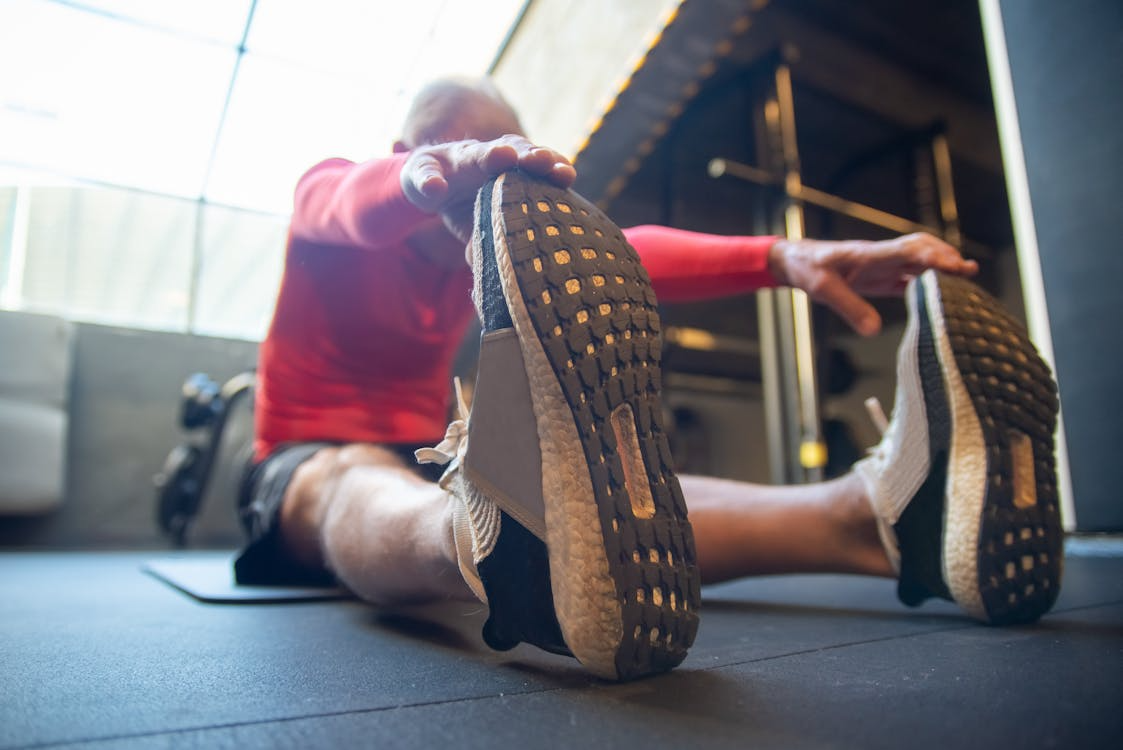
Image creditIf finishing a workout leaves your knees plotting revenge and your hips staging a protest, you might be doing too much too fast. Sure, it might sound pretty amazing getting to train like an MMA fighter, or well, any sports professional in general, but even professionals get knee pain. Actually, believe it or not, you don’t even need to be over thirty to deal with something like this, and yeah, not every fitness routine has to feel like boot camp to be effective.
And honestly, it shouldn’t. The idea that a workout only counts if you’re dripping in sweat and limping the next day is a myth that needs to go straight in the bin. Thankfully, people are getting smart about their joints now. But really, the goal isn’t just to be fit today, but to still be able to move freely decades down the line. That means shifting the focus to workouts that feel good, build strength, and keep the pressure off all those moving parts that already take a beating in everyday life.
You Need to Crawl Before You Lift
Does that phrase sound a little too old school? Well, yeah, it might be, but there’s seriously a lot of truth to it. So, for starters, there’s a reason crawling is part of baby development milestones. It’s one of the most underrated movements in adult fitness, too. Now, crawling across the floor might not sound impressive, but it’s a full-body workout that strengthens the shoulders, core, and hips while being kind to the joints.
Seriously, you read that right, and yes, it’s effective. So, you’ll need to just start with a slow bear crawl or even hands-and-knees crawling if you’re easing back in. The key is to keep your movements smooth and controlled. It builds coordination, balance, and stability from the ground up. Oh, and bonus points if you do it on a soft surface so it feels more like play and less like punishment.
Read the rest of this entry →