Posted on
June 22, 2018 by
Joe Fleming
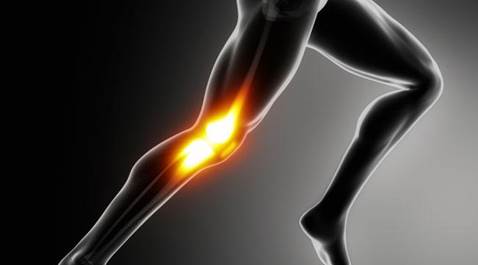
 Anterior cruciate ligament (ACL) injuries are some of the most common injuries that athletes experience. Even professional athletes like women’s soccer champion Alex Morgan and Broncos cornerback Chris Harris, Jr. have struggled to recover from torn ACLs.
Whether you’re a recreational athlete or someone whose hoping to go pro, it pays to know how to prevent and treat an ACL injury. Read on to learn more about this injury and what you can do to avoid being sidelined by it.
What is an ACL Injury?
The anterior cruciate ligament is a major stabilizing and supporting ligament in the knee. It’s responsible for connecting the femur (thigh bone) and tibia (shin bone). The ligament is located in the front of the knee, right above the top of the shin bone and behind the patella (kneecap).
An ACL injury is technically a type of sprain. As with other types of sprains, there are grades of a sprained knee that determine how serious the injury is.
ACL injuries can be broken down into three different grades:
-
Grade 1 — 10 percent or less of the ligament fibers are torn
-
Grade 2 — 11-90 percent of the ligament fibers are torn
-
Grade 3 — more than 90 percent of the ligament fibers are torn and the ligament has completely ruptured
Almost any athlete can suffer from an ACL injury, but athletes who do a lot of jumping or have to stop and/or change directions suddenly are more likely to experience damage to their ACL. Basketball players, soccer players, tennis players, downhill skiers, volleyball players, and gymnasts tend to experience the greatest number of ACL injuries.
Symptoms of an ACL Injury
An ACL injury is typically characterized by a loud “popping” sound or sensation in the knee. Many people also experience swelling, instability, loss of range of motion, and pain when trying to bear weight. Read the rest of this entry →
Tags: ACL injuriesSports Medicine
Category
Health & Fitness, Sports Medicine
Posted on
June 14, 2018 by
Joe Fleming

Injuries hampered Robbie Hummel as he played in only 98 games over two NBA seasons.
Approximately 25 percent of all sports injuries involve the hand or wrist, and basketball players are particularly susceptible.
Former Minnesota Timberwolves small forward Robbie Hummel and Cavaliers forward Kevin Love are two of the many professional basketball players who have experienced hand injuries in their careers.
Whether you’re an aspiring professional or strictly a recreational player, it’s important to know how to protect your hands and wrists.
Read on to learn some important tips and tricks that can help players of all ages and skill levels prevent hand and wrist injuries.
Common Hand and Wrist Injuries in Basketball Players
The following are some of the most common hand and wrist injuries that basketball players deal with:
-
Jammed fingers — this is most common hand injury to occur in basketball. The finger gets “jammed” when the ball hits the tip of the finger instead of the palm of the hand. Finger jams can lead to more serious injuries, like sprains of the finger ligaments, dislocations, or fractures.
-
Wrist sprains — these occur when a ligament gets stretched or torn, usually as a result of the wrist being forcefully bent, or if the player falls down onto an outstretched hand. When the ligament is just stretched, it is considered a mild sprain. More severe sprains occur when the ligament is partially or totally torn.
-
Wrist fractures — wrist fractures occur when one or more of the bones in the wrist is broken. Forceful bending can cause fractures, as can falling onto an outstretched hand.
-
Finger/hand fractures — the bones in the fingers and hands are also susceptible to fractures. Even small breaks can totally put the hand out of commission and make simple tasks incredibly painful and difficult. Finger and hand fractures often occur when the ball is caught, when a player runs into another player, or during falls. Read the rest of this entry →
Tags: Basketball injuriesRobbie Hummel
Category
Basketball, Health & Fitness, Sports Medicine
Posted on
June 03, 2018 by
Joe Fleming
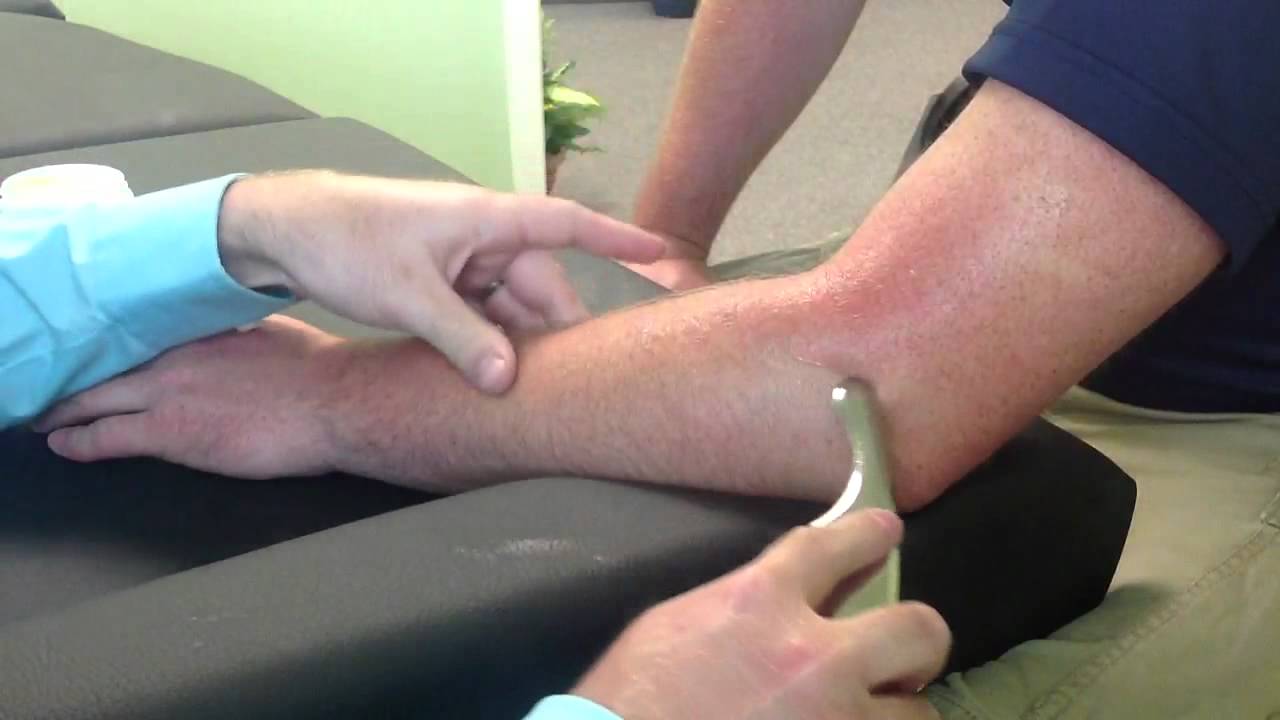
 Longtime athletes and coaches are constantly on the hunt for easy and effective ways to both help prevent common sports injuries as well as speed up recovery times when an injury does occur. Tactics like ice therapy, cupping, and foam rolling have all had their heyday recently, but one practice seems to have endured the longest – sports massage.
Believed to have originated in ancient Greece and Rome where gladiators were prescribed massages both before and after working out or battling, sports massage has evolved throughout the centuries to incorporate more physiotherapy and recovery techniques. This has lent itself to a newer therapeutic approach called soft tissue mobilization.
What is Soft Tissue Mobilization (STM)?
An umbrella term to capture a wide array of techniques, soft tissue mobilization is any type of physiotherapy performed either manually or with instruments that help to release soft tissues in the body. Soft tissues are essentially any component of the musculoskeletal system that is not bone – so ligaments, tendons, muscles, skin, fat, fascia, cartilage, nerves, and so on.
Soft tissue injuries are common in sports, from sprains to muscle strains to tendonitis and other stress injuries. The healing process following a soft tissue injury involves a unique process of biological repair. An inflammation response from the body floods the tissue at first with fluids, blood, and eventually white blood cells; this causes the characteristic swelling, warmth, and redness of a fresh soft tissue injury like an ankle sprain. Read the rest of this entry →
Tags: sports tissue mobilization
Category
Health & Fitness, Sports Fitness
Posted on
May 26, 2018 by
Joe Fleming
 Ankle sprains are the most common injury among soccer players, accounting for 20 percent of all injuries.
Ankle sprains affect soccer players of all levels, from beginners to professionals like Cristiano Ronaldo and Lionel Messi.
No matter what your skill level, when it comes to preventing sprains during games, there are lots of things you can do to keep your ankles strong and healthy so that you can spend as much time on the field as possible.
Read on to learn more about how soccer players of all ages and abilities can avoid ankle sprains.
Identify the Common Causes of Ankle Sprains
In order to prevent ankle sprains, it’s important to first know how they most often occur in soccer players.
Listed below are some of the most common reasons that soccer players end up with ankle sprains:
-
Contact injuries — one player slides into another and the impact causes the player’s ankle to roll
-
Tripping over equipment that wasn’t put away properly
-
Stepping into holes or tripping over bumps on uneven, poorly maintained fields
-
Wearing loose-fitting cleats that leave room for the ankle to twist inside
Preventing Ankle Sprains
Some of these causes of ankle sprains are unavoidable. But, soccer players (and coaches of younger players) can still be proactive about strengthening the muscles that surround the ankle joint. By doing this, players will be more resilient to contact injuries, falls, and other common causes of ankle sprains.
Listed below are four different ways that soccer players can strengthen their lower body and reduce their risk of dealing with sprains. Read the rest of this entry →
Tags: Christiano Ronaldosoccer injuries
Category
Health & Fitness, Sports Medicine
Posted on
May 16, 2018 by
Joe Fleming
 When it comes to staying fit and injury-free, many athletes look to preventing common sprains, strains, and ligament tears. What about the dangers of skin infections though? Surprisingly, these seemingly harmless culprits can turn into the most life-threatening of them all. Don’t forget about the former tight end for the New York Giant, Daniel Fells, who almost had his foot amputated due to a skin infection in 2016; or the Washington Redskins and Dallas Cowboys defensive tackle, Brandon Noble, who fought MRSA complications for two whole years.
When it comes to recognizing the signs of skin infections and taking quick action, a little knowledge goes a long way. Don’t miss this quick guide:
Common Skin Infections Among Athletes
While various skin ailments can plague athletes, the following are often most widely spread. They include:
MRSA – this antibiotic-resistant strain of staph bacteria, specifically methicillin-resistant Staphylococcus aureus (MRSA) is fatal when left untreated and continues to affect not just professional athletes on a yearly basis, but college and even high school-age players too.
Staph bacteria naturally resides on people’s bodies; in fact, an estimated 1 in 3 people carry around staph bacteria in their nose (and between 5 and 10% actually carry around MRSA). Though typically harmless, sometimes when staph bacteria makes its way into open skin (which is common for athletes, especially in contact sports, to have) it can infect tissue, blood, the respiratory system, and more. Read the rest of this entry →
Category
Health & Fitness, Sports Medicine
Posted on
May 15, 2018 by
Dixie Somers
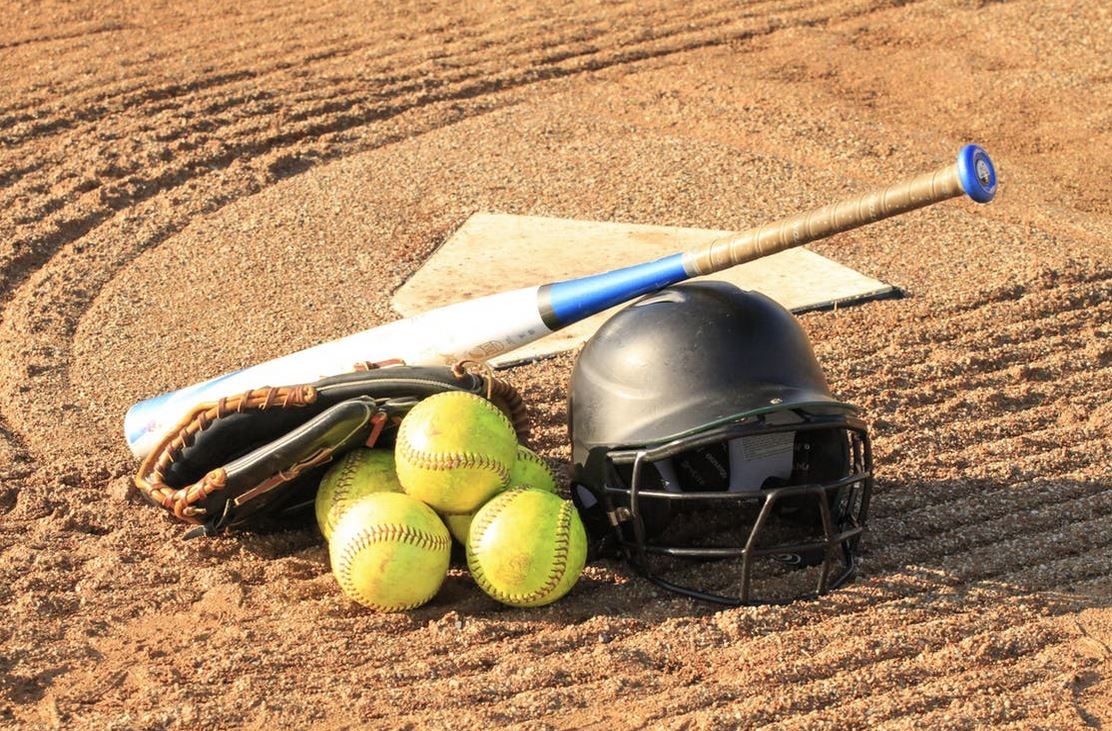
 No one wants to pull out their sports equipment just before a game only to notice mold, mildew, cracks, termite holes, or other forms of damage. That is why you should spend some extra time cleaning and correctly packing all of your gear. Here are a few tips that will help you keep your sports equipment safe and damage-free.
Deflate All Balls When Not Being Used
Just before packing away all of your gear, you need to deflate any balls that are filled with air. Those balls contain a flexible air bladder that becomes weaker over time. Taking a few pounds of air out of a ball will increase its lifespan and prevent it from becoming lopsided.
Wipe Everything Down
Sports equipment is often caked in sweat and mud by the end of the season. Most gear is designed to stand up to that grime, but it needs to be thoroughly cleaned before packing it away. A damp towel and some warm water can be used to clean most sticks, bats, and pads. Once you are done cleaning the gear, you should wipe off all excess moisture. Read the rest of this entry →
Tags: Baseball equipment
Category
Health & Fitness, Outdoor Activities, Sports equipment
 Anterior cruciate ligament (ACL) injuries are some of the most common injuries that athletes experience. Even professional athletes like women’s soccer champion Alex Morgan and Broncos cornerback Chris Harris, Jr. have struggled to recover from torn ACLs.