Posted on
August 18, 2018 by
Joe Fleming
 At first glance, golf might seem like a fairly safe sport with low injury risk. In reality, though, golfers’ bodies can take quite a beating. This is especially true for professional golfers like Tiger Woods and Jim Furyk, both of whom have had to take breaks from their careers to let serious injuries heal.
Golf injuries are definitely possible, but they’re not inevitable. By taking the proper precautions, you can keep injuries at bay and continue to keep the sport as a regular part of your life.
Read on to learn about some of the most common golf injuries, as well as what you can do to prevent them.
Common Golf Injuries
Some of the most common golf injuries that you should take extra care to avoid include:
Golfer’s Elbow
Golfer’s elbow, also known as medial epicondylitis, is one of the most common injuries a golfer can experience.
This injury is characterized by inflamed elbow tendons, as well as pain, swelling, and tenderness on the inside portion of the elbow. Golfer’s elbow is most often the result of overuse (i.e., repeating the same motion over and over again without enough rest). Read the rest of this entry →
Tags: golf injuries
Category
Golf, Health & Fitness, Sports Medicine
Posted on
August 09, 2018 by
Joe Fleming
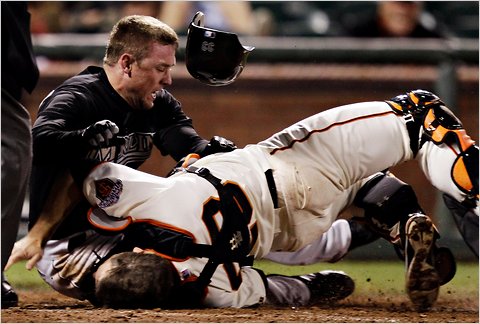
 From Titans’ running back Leon Washington to Giants’ catcher Buster Posey, athletes throughout the years have had a history of breaking bones. Fractures are one of the most common injuries an athlete can deal with, and, considering the amount of time they take to fully heal, they’re not exactly fun to face.
Getting diagnosed with a fracture is never pleasant. But, did you know that there are dietary changes you can make that will speed up the recovery process and get you back in the game faster?
Whether you’re a professional or an amateur athlete, these nutrition tips will help you heal and become more resilient to future injuries.
1. Consume Sufficient Calcium
You probably grew up being told to drink your milk to keep your bones healthy and strong. Well, your mom was right. Although, you don’t necessarily need to drink milk or eat other dairy products to get sufficient amounts of calcium.
If you don’t tolerate dairy, you can get plenty of calcium from the following food sources:
You can also use a calcium supplement if you feel that you need additional help meeting the minimum daily requirement (anywhere from 1,000 to 1,200 milligrams per day). Read the rest of this entry →
Tags: Buster Posey
Category
Baseball, Football, Health & Fitness
Posted on
August 02, 2018 by
Ashley Andrews
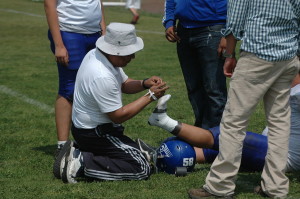 Sports provide numerous benefits, from teamwork to dedication to improving fitness. They can also, however, be dangerous. It is important to understand how to protect yourself from the dangers of sports and how to prevent injuries. If injuries do occur, knowing how best to treat them is the key to a quick recovery.
Knee Injuries
Most sports can cause a knee injury if people aren’t careful. Stretching is one of the best ways to prevent this type of injury. Perform a quad stretch by grabbing your ankle and pull your leg behind your body. This will stretch out your knees and quadriceps. A simple toe touch will suffice as well.
An ACL injury is one of the most common injuries, often happening during games like soccer and football where legwork is important. A knee replacement surgery may the final option if rehabilitation and pain medication do not work. Look at total knee replacement pictures and you’ll see the difference between a knee that needs replacement and one that has been replaced. Read the rest of this entry →
Tags: knee injurySports Injuries
Category
Health & Fitness, Sports Medicine
Posted on
August 01, 2018 by
Joe Fleming
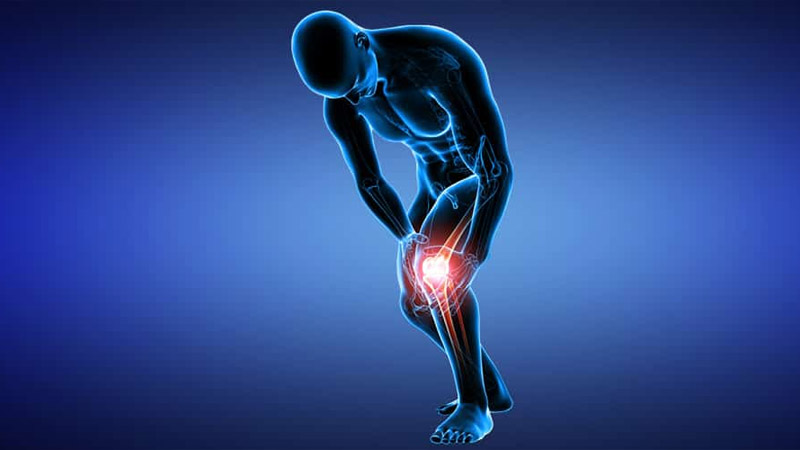
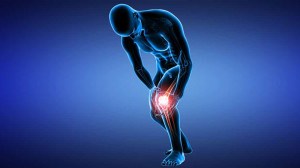 Tendonitis of the knee (also known as patellar tendonitis or “jumper’s knee”) is a highly common injury among athletes.
Several well-known professionals — including third baseman Brandon Inge, pitcher Oliver Perez, and tennis player Rafael Nadal — have all struggled with chronic cases of patellar tendonitis throughout their careers.
Because tendonitis of the knee is common and comes on gradually, many athletes assume that they don’t need to take their recovery from it as seriously as they would need to take a more acute injury like an ACL tear. In reality, though, chronic tendonitis can be incredibly debilitating and could potentially sideline an athlete completely.
Read on to learn about some of the most common mistakes athletes make when trying to manage their tendonitis and what you should be doing instead.
What is Patellar Tendonitis?
Many athletes suffer from patellar tendonitis without even knowing exactly what it is. Patellar tendonitis occurs when the tendon that connects the tibia (shin bone) and patella (knee cap) becomes irritated and inflamed.
Patellar tendonitis most often results from repetitive knee strain. This repetitive strain creates several small tears in the tendon. Over time, these tears weaken the tendon and cause it to become inflamed.
Some of the most common issues that contribute to patellar tendonitis include:
Symptoms of patellar tendonitis often come on gradually and usually aren’t noticeable right away. When they do start to notice symptoms, most people report experiencing some pain and tenderness around their kneecap, especially when they’re getting down into or standing up from a squatting position. Some also notice swelling and a burning sensation.
These symptoms are usually sporadic at first and get worse and last longer as the tendon undergoes more stress and damage. Read the rest of this entry →
Tags: Patellar tendon
Category
Health & Fitness, Sports Medicine
Posted on
June 28, 2018 by
Dixie Somers
 Whenever you play a sport or exercise your body, you are increasing your risk for injury no matter how careful you are. However, by following safe steps, knowing your body’s limitations and protecting against the most common types of injuries, you can stay safe and stay in the game. Here are four simple ways that you can avoid stressing any part of your body or landing in the emergency room rather than being on the field.
Always Warm Up and Cool Down
Warm ups and cool downs often seem pointless to new exercisers or players. Most people want to immediately get to the good part, which is the game or exercise itself. However, warm ups and cool downs, which should last for the first five and last five minutes of every game respectively, are vital for protecting muscles and connective tissues from strain and injury. A good warm up will bring blood into the muscles that you plan to use while a cool down should return your heart rate and breathing to normal.
Wear Protective Gear
Protective gear is designed to guard the most danger-prone areas of your body from injury. For example, a helmet is used to protect your head from concussions and other brain injuries. Knee and elbow pads protect your joints that tend to stick out the most from your body. Other good forms of protective gear depending on the sport include mouthguards, shin guards, shoulder pads and eyewear. Read the rest of this entry →
Category
Health & Fitness, Sports Medicine
Posted on
June 28, 2018 by
Lora Young
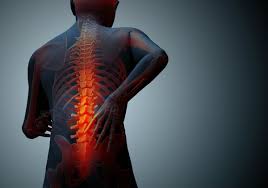 If you’ve injured your back recently playing sports (or doing something else), you might need a chiropractor. While finding one isn’t necessarily difficult, there are actually a few key things you need to remember when looking for the best option for you. In this article, we’re going to look at them.
1. Do they have special experience in sports injuries?
First things first — you’ll want one who’s got specific experience treating sports-related injuries. Many chiropractors will have worked with sports teams in the past, so you might be able to find a recommendation if you ask your teammates or coaches.
2. What are their general qualifications?
Depending on your location, a chiropractor could have a wide range of different qualifications and certificates. Make sure you’ve checked them all fully before agreeing to treatment.
3. How long have they been practicing?
Are they a recently qualified chiropractor or do they have years of experience? This might be something you should consider, although even newly qualified chiropractors can still be good enough for the job. Read the rest of this entry →
Tags: back injury
Category
Health & Fitness, Sports Medicine
 At first glance, golf might seem like a fairly safe sport with low injury risk. In reality, though, golfers’ bodies can take quite a beating. This is especially true for professional golfers like Tiger Woods and Jim Furyk, both of whom have had to take breaks from their careers to let serious injuries heal.