Posted on
October 06, 2016 by
Kara Masterson
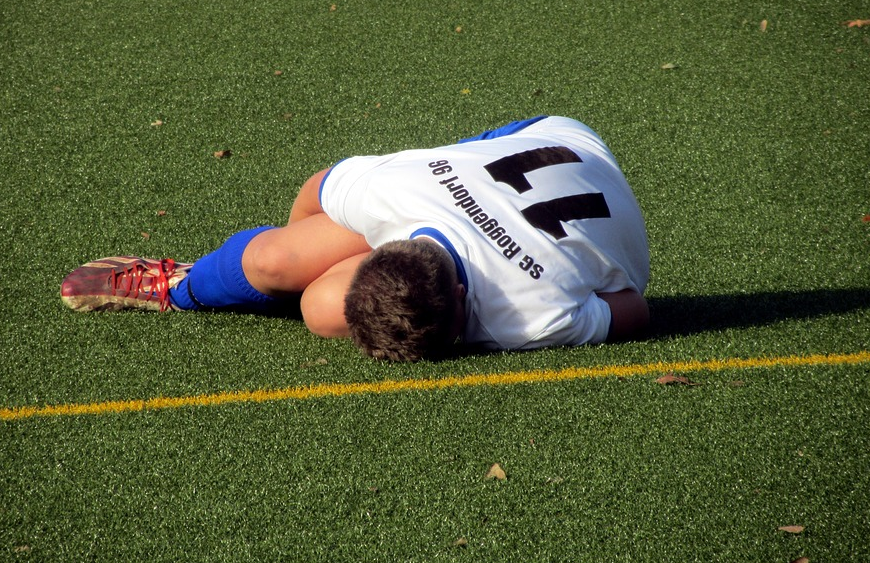
 Injuries are an inherent risk of sports. Players can take all of the precautions possible; eat well, take care of their bodies, and stretch sufficiently before all activity, but when it comes game time, some injuries you just can’t prevent. Here are six common injuries that can sideline a player for the whole season:
ACL Tear
The knee is arguably the human body part most susceptible to injury in sport, and every year, ACL tears bench players for the rest of the season. Knee injuries are by far the most common injury in the NFL, accounting for almost 20 percent of all total injuries. For ACL tears, surgery and a good deal of physical therapy is almost always required before a player can return to the field, and many times the athlete is never able to reach the same levels as before their injury. Sometimes, however, ACL tears can actually be treated without surgery.
High Ankle Sprain
While knee injuries are usually fairly severe, not all ankle injuries are season-ending. The high ankle sprain can be, however, and is one of the most common season-ending injuries behind knee injuries.
Torn UCL Muscle
In baseball, the far and away most common injury is a torn UCL muscle in the throwing elbow. This injury is becoming more prevalent amongst pitchers, who are putting more stress on their elbow, throwing hard than ever before. To repair the torn UCL muscle, players must undergo “Tommy John” surgery, with rehab lasting at least a calendar year. The upside to this surgery is that many players come back throwing harder than they used to. Read the rest of this entry →
Tags: Sports Injuries
Category
General, Sports Fitness
Posted on
August 03, 2016 by
Kara Masterson
 Professional athletes are constantly striving for physical perfection and athletic greatness, and that very often means injuring themselves in the pursuit of those goals. Some injuries and maladies are more common than others among professional athletes, regardless of the sport or activity that they participate in. Here are five of the most common professional sports injuries that befall athletes:
Pulled Muscles
Overexertion and rapid acceleration often lead to pulled muscles, which are the bane of any athlete’s existence. The severity of pulled muscle injuries varies widely: athletes who pull their biceps muscle attempting to throw or lift a heavy weight may only be sidelined for a couple of days whereas athletes who pull their hamstrings running may miss several months. The spectra of a pulled muscle can be mostly avoided with proper stretching and warming up, but they can never be completely eradicated from the sports world.
MCL/ACL Tear or Strain
The knee is an amazing joint, but it is also very complex and fragile and therefore susceptible to painful injury. The MCL and ACL ligaments are frequently damaged by quick stops and starts or rapid attempted changes in direction. These injuries can be devastating to an athletic career, and injured parties require surgery and several months of intense physical therapy to fully recover. Read the rest of this entry →
Tags: Sports Injuries
Category
soccer, Sports Fitness
Posted on
January 09, 2016 by
Brooke Chaplan
 Contact sports, by their very nature, are the most dangerous for kids of any age to engage in. These include football, soccer, and baseball and often incur the most serious injuries in kids. Others sports that commonly lead to injury are cheerleading, roller skating, ice skating, floor and apparatus gymnastics, and trampoline competitive sports.
Most Common Injuries in Kid’s Contact Sports
According to one of the top brain injury attorneys, for high school and junior league football, one of the most serious injuries is head trauma. Others may include torn ligaments and ACL and MCL separations, spinal injuries, and wrist, ankle and elbow injuries. Some of these sports injuries may also occur in Little League and high school baseball, though less often. In soccer, the common injuries are broken bones, sprains and strains to muscles, and spine and neck problems. About 80% of soccer injuries occur to the feet and legs.
Cheerleading, Gymnastic and Trampoline Injuries
Cheerleading injuries can be serious, depending on the type of acrobatics involved in the routines, and how soon they are treated. Broken arms or legs can often occur during the performance of aerial acrobatics like front and back handsprings, front and back somersaults, and splits from a leaping position, which can also cause strain on the upper thighs and hips. Read the rest of this entry →
Tags: Youth Sports
Category
General, Health & Fitness, Sports Fitness
Posted on
December 10, 2014 by
Martin Banks
Wouldn’t it be great to get as fit as a professional athlete?
Believe it or not, it’s not impossible to build the body of your dreams. Sure, athletes get paid to stay in shape – their job is essentially to work out. You, on the other hand, might find yourself sitting on your hindquarters all day long, staring at a computer screen.
Maybe you feel as though your girth is like the universe – infinite, mesmerizing and constantly expanding. That’s OK: We’ve all been there before.
The good news is that by doing some research and figuring out a routine that works best for you, you’re taking the right steps to begin sculpting the body of your dreams. It’s easier than you think.
Get a Full Night’s Sleep
You might be tempted to try and burn the candle at both ends, but in the long run, this kind of behavior will certainly come back to bite you.
On days when you plan on working out, be sure to get eight to 10 hours of rest beforehand. Sleep helps you recharge your batteries and heal your muscles.
Eat Well-Balanced, Filling Meals
The food you eat gives you the fuel you need to take your exercise regimens to the next level. The best athletes in the world are very conscious of what they’re eating. Read the rest of this entry →
Tags: professional athletesSports Fitnesstraining
Category
Sports Fitness
Posted on
October 29, 2013 by
Daniel Lofthouse
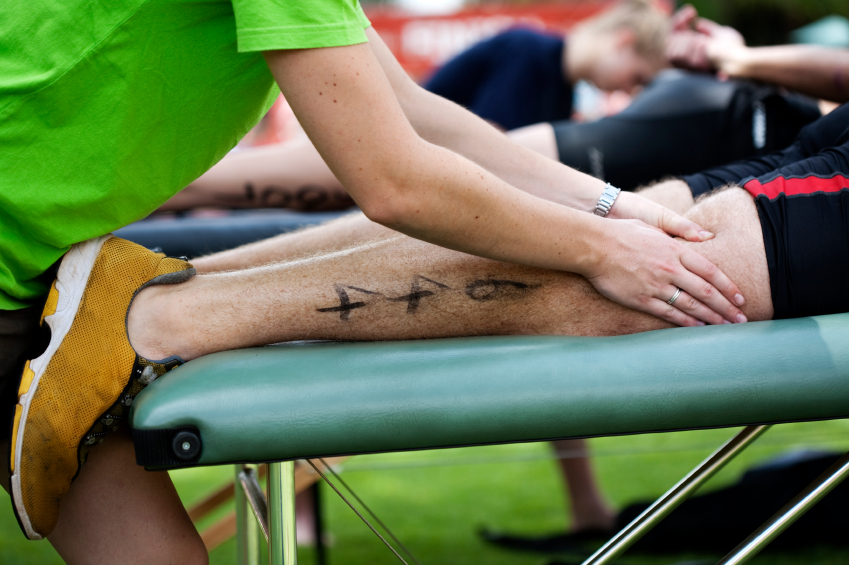
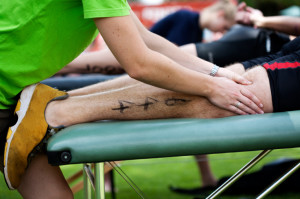 Every good athlete knows the benefit of a sports massage, and it is often a factor in their success. Some elite athletes even have sports massage therapists who travel with them to help them improve performance, prevent injury and feel better as they are exercising or playing their sport.
Ancient Massage
Massage generally has been in existence for thousands of years. In China, there are documents claiming that massage was used 8,000 years BC for ailments. The ancient Persians and Indians were also known for healing with massage, and the Ancient Romans were treated to a massage before and after Olympic events. Knowledge of massage continued to progress until the Chinese created the first schools of massage in 100 AD.
Late 1800s
There is debate about who introduced the theories and techniques of medical massage to the scientific community. Some attribute them to Johann Mezger, and others to Pehn Ling. However, terms such as effleurage (gliding), petrissage (kneading), tapotement (pounding), friction (rubbing) and vibration (shaking) were used at this time, and they continue to be used to this day.
The Finnish School of Massage officially laid out sports massage methods in 1900. Read the rest of this entry →
Tags: Sports Massage
Category
Sports Fitness
Posted on
October 28, 2013 by
Daniel Lofthouse
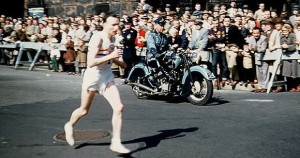
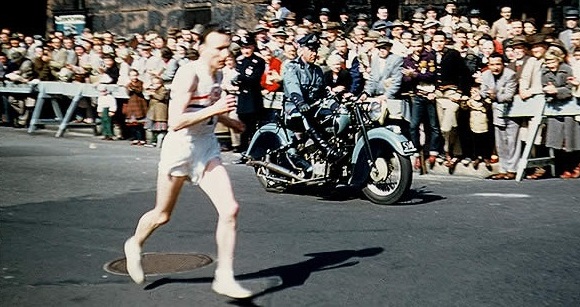
Jim Peters set the world marathon record four times between 1952 and 1954.
The first modern marathons were held at the 1896 Summer Olympics, and were won by two Greek runners – Kharilaos Vasilakos and Ioannis Lavrentis. In the ten years that followed, their times of 3:18:00 and 3:11:27 (respectively) would be beaten by runners from Britain, Japan, and America – the last of which was run by Johnny Hayes at the 1908 Summer Olympics in what is considered to be the first marathon over a now official distance of 42.195 km.
Top Runners from Around the World
From 1908 onwards, the field of marathon running began to be dominated by an elite set of countries who regularly produced high performing marathon standard athletes.
In the men’s races, Sweden, Japan, American and the UK were regular contenders for the top spot, with many of their runners continuing to break records. A roster of familiar faces began to creep in: Son Kitei of Japan, Jim Peters of the UK (who broke the world record four times between 1952 and 1954), and Derek Clayton of Australia, who broke his first record in 1967 and followed up with an encore in 1969. It wasn’t until 2002, however, that the title of ‘World’s Best’ was introduced and presented for the very first time to American runner Khalid Khannouchi for his time of 2:05:37.8. Read the rest of this entry →
Category
General, Sports Fitness, Sports History, Track & Field
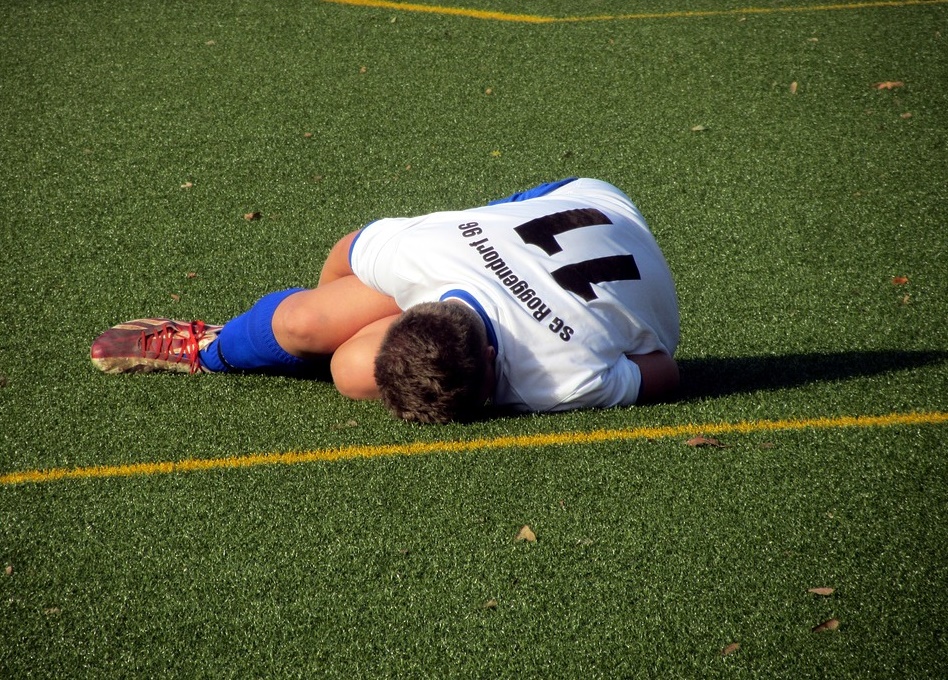 Injuries are an inherent risk of sports. Players can take all of the precautions possible; eat well, take care of their bodies, and stretch sufficiently before all activity, but when it comes game time, some injuries you just can’t prevent. Here are six common injuries that can sideline a player for the whole season: