How Olympic Fencing Evolved from Duel to Discipline 2
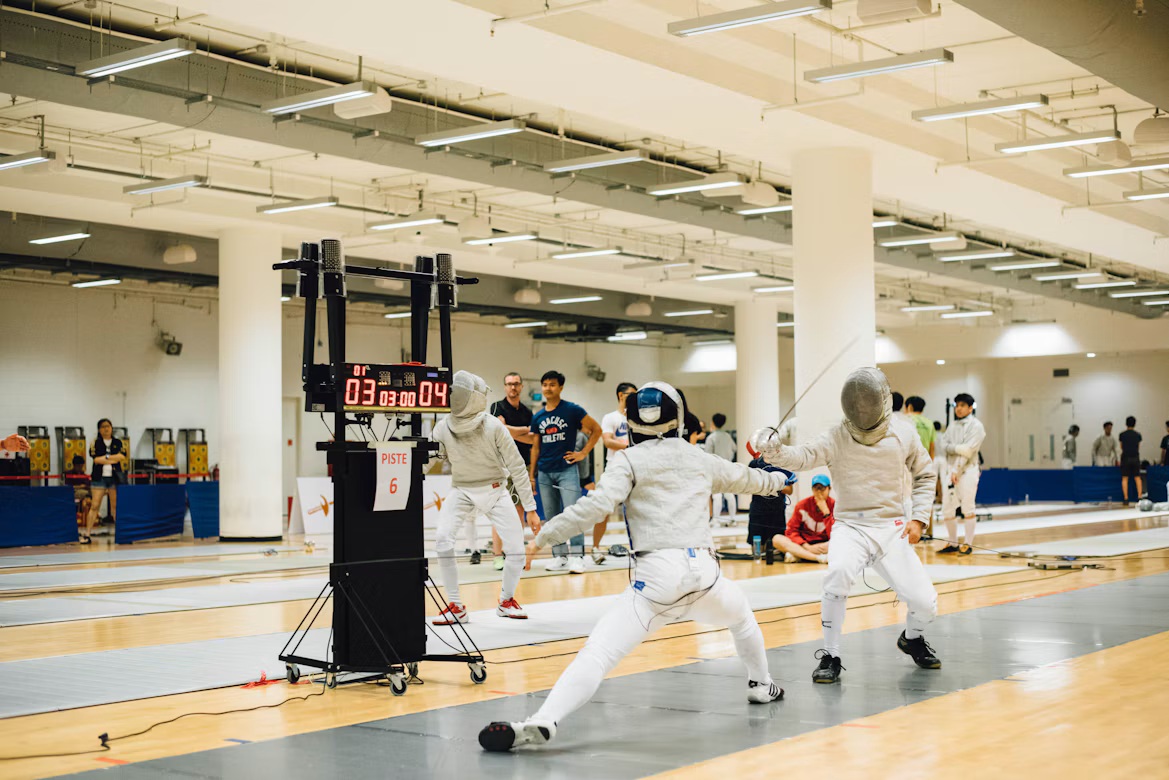
Modern Olympic fencing turns quick footwork, tactical judgment and precise blade control into a contest decided within fractions of a second. Its format may look thoroughly modern, yet the sport carries traditions developed across centuries.
Formal instruction, changing social customs and electrical scoring gradually transformed personal combat practices into a regulated athletic discipline. That progression explains many details viewers still see today, from the fencers’ opening salute to the distinctive rules governing foil, epee and sabre.
Roots in Historic Duels
European fencing developed from systems taught for personal defense and formal dueling. From the 16th century onward, instructors recorded positions, footwork and attacking actions in detailed manuals. Schools in Italy, France and Spain developed recognizable styles, while skilled teachers helped turn blade handling into a subject that could be studied and practiced.
A useful overview of fencing history shows how those traditions influenced later rules and techniques. As social attitudes changed and dueling declined, fencing halls offered a controlled setting for instruction. Protective clothing, blunted tips and agreed conventions allowed students to test timing and distance with far less risk. The emphasis steadily moved toward athletic skill.
Standardizing Rules for Fair Play
Fencing appeared at the first modern Olympic Games in Athens in 1896, but international consistency took time. Different schools still favored their own terminology, target areas and interpretations of a valid attack. The founding of the International Fencing Federation in 1913 helped establish shared rules for major competitions.
Those standards now give each discipline a distinct identity. Foil limits the valid target to the torso and uses right-of-way rules. Epee allows touches across the whole body and can award both competitors a point during a near-simultaneous action. Sabre includes the upper body as its target and permits touches with the edge of the blade.
Beginners choosing a fencing sword should first confirm which discipline their club teaches, since each version has different equipment and scoring requirements.
Read the rest of this entry →